
TEXAS GROWN TRIED & TRUE
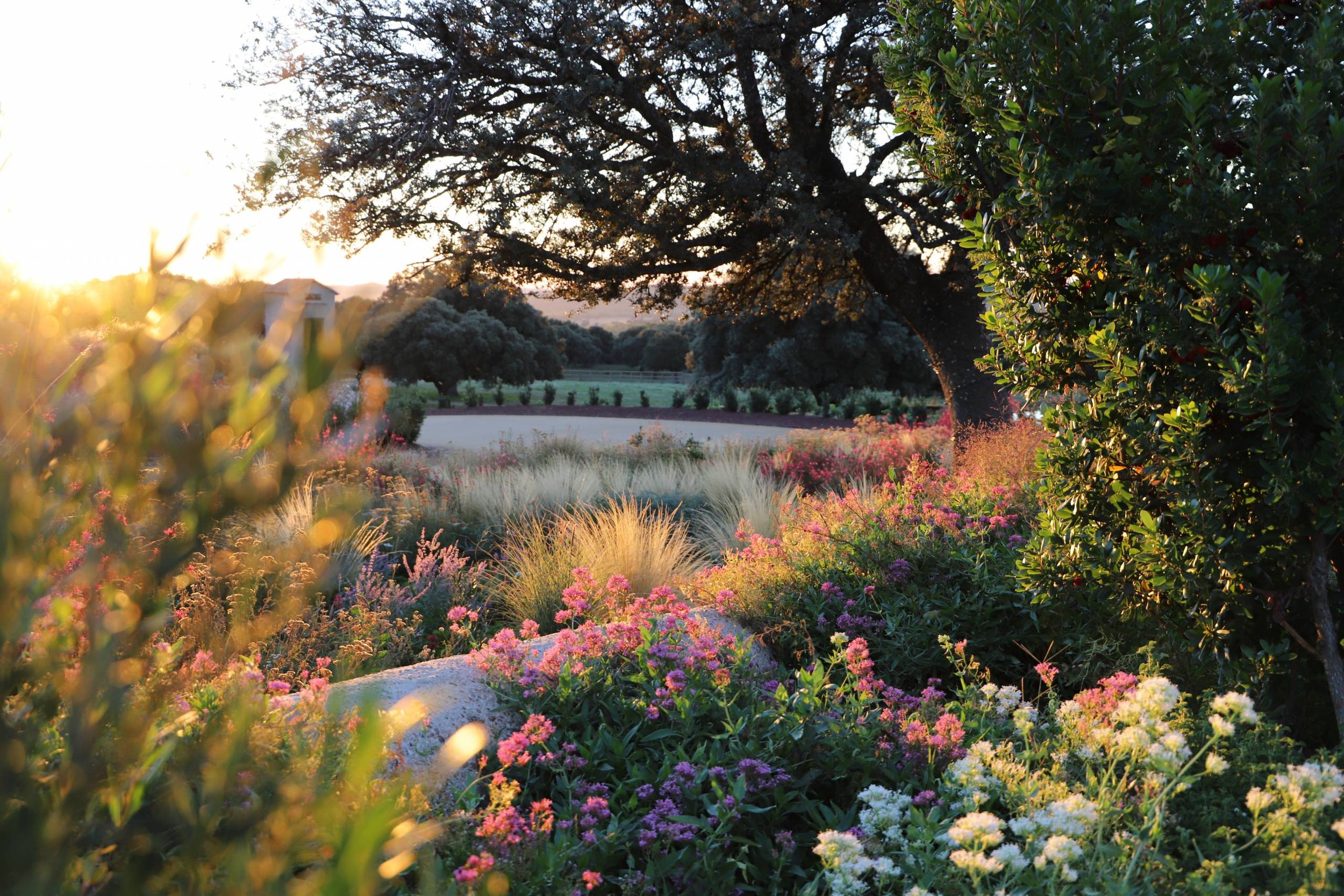
TEXAS BEST NATIVE PlANTS
Our North Texas climate can be extreme, unpredictable and harsh, with fluctuations in temperature that can range from sweltering heat in the summer to sub-freezing temperatures in the fall and spring. It's not uncommon to experience all four seasons within a single day, making gardening a challenging endeavor for even the most experienced gardeners. Texas native plants makes good sense, it requires far less water than many other plants, attracts pollinators, promotes biodiversity and provides local habitats that are good for the environment. Native plant gardens, on average, use a seventh of the water of a typical North Texas garden. Plants native to our Texas ecoregion are more resistant to pests, drought-tolerant, and more apt to withstand our extreme Texas weather and will thrive in your garden.
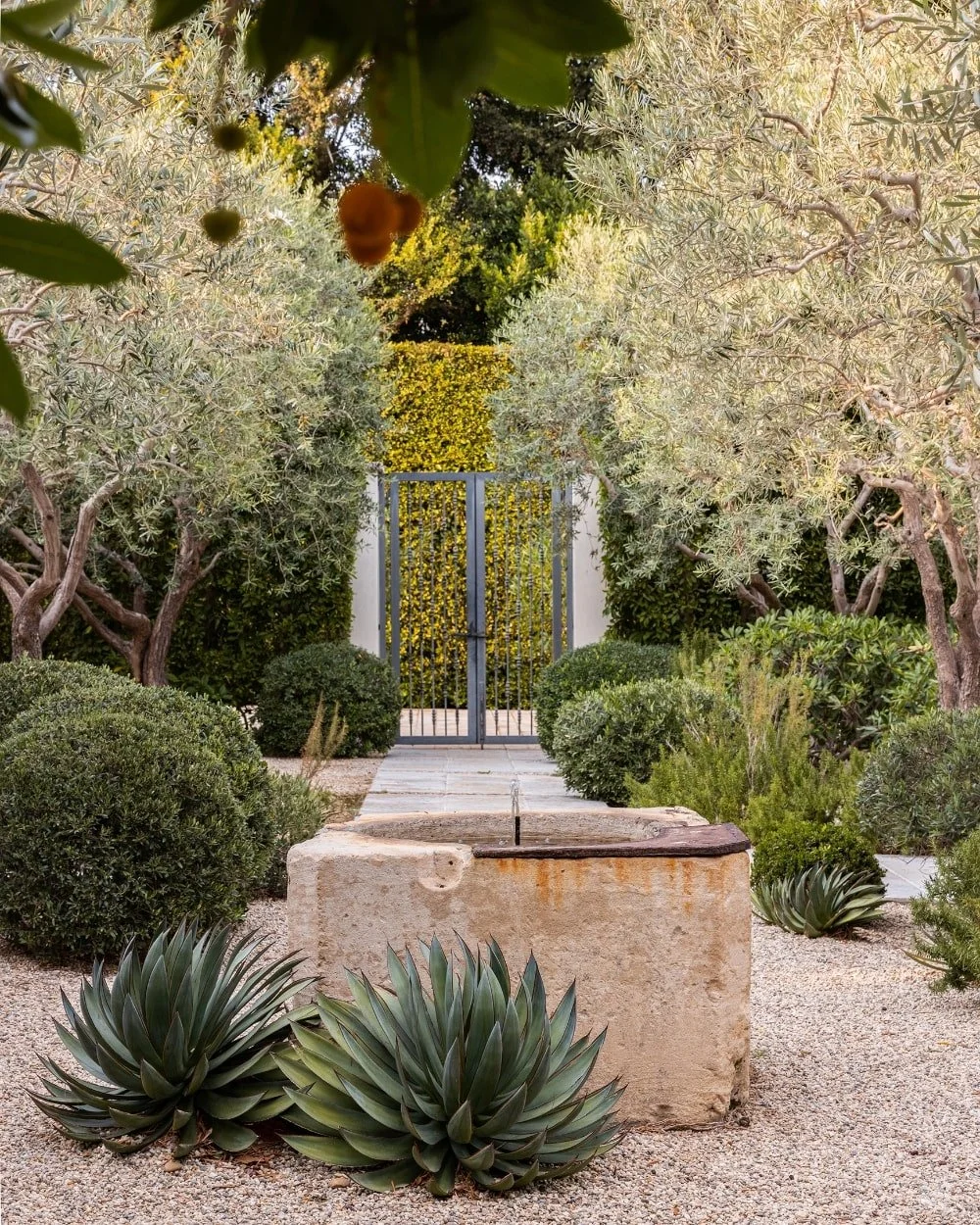
Soil Science = Thriving Native Gardens
A common misconception for many in North Texas is assuming that our soil is healthy and ready for native plants. The sad truth is that, urbanization, land clearing, non sustainable farming and development practices often degrade the land to such an extent that it can make it difficult to maintain even Texas natives and perennials. Such practices have stripped away centuries of good earth, destroying or contaminating the ecosystems and aquifers. Today thousand of acres of prairies, estuaries and native habitat are being destroyed at a rate quicker than they can be restored.
Get involved and learn more about Texas native prairie restoration.
To overcome this obstacle we work with you to select climate appropriate plants, focusing on the nuances of the USDA grow zones, soil science, and drainage. With every project provide good earth soils, analyzing and testing current soil conditions and create scientifically custom formulated soils to ensure that your gardens will thrive for years to come. If you have multiple acres or a ranch that needs a thoughtful approach to management, check out our Land page to learn more about our approach.
Nursery Partners & Select Commercial Growers
We proudly partner with locally owned top-tier commercial growers and, independent nurseries who specialize in providing the finest generically stable climate appropriate plants for Texas. We only select partners who have a deep understanding of our regions growing conditions, which allows us to offer only the best plants that have been tried and tested to survive in our climate. Anything less simply does not make the cut.
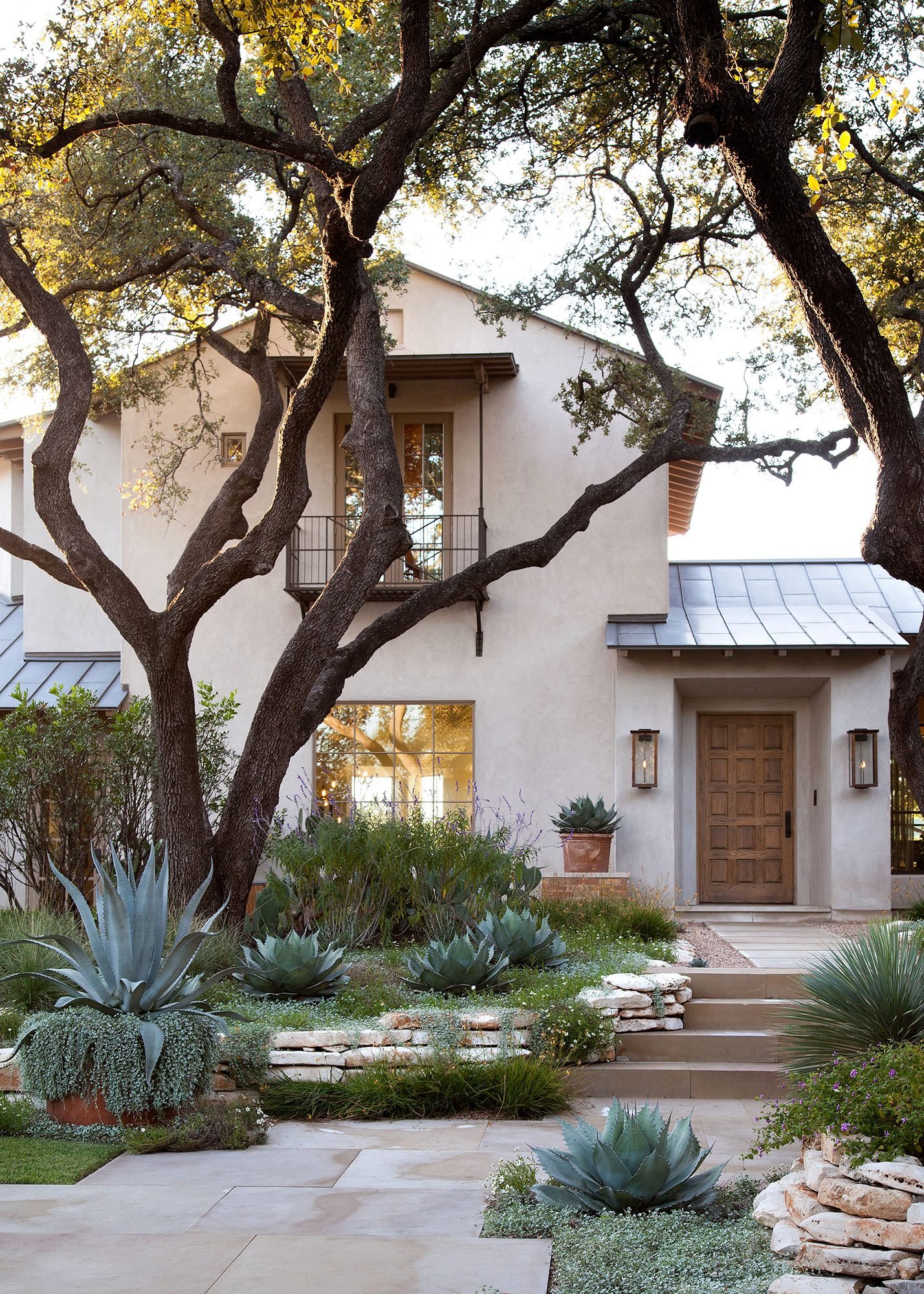
Ground Control
Texas Nativescapes Ground Control Team provides decades of comprehensive expertise, reinforced by innovative Texas horticulture, imparting keen wisdom in cultivating the very finest growing conditions in Texas native landscape environment while ensuring a sustainable and healthy garden habit.
We individually inspect select exclusively genetically stable Texas Native Plants and adaptive cultivars that are time tested and proven in being stable for your climate growing zone. Each project entails creating and building raised garden beds to ensure good drainage, optimized irrigation systems and our proprietary scientifically formulated organic bedding soil so your plants get the right mineral and nutritional needs. All of our soils are tested and certified by the US Compost Council and our formulator is Good Earth Soil & Materials
We embrace and follow Texas Smartscape and Water-Wise guidelines to create "easy-to-care-for”, beautiful low-maintenance, heat-tolerant, Earth-friendly, sustainable gardens and landscapes throughout the DFW Metroplex. Get rooted in discovering the best plants for Texas gardens.
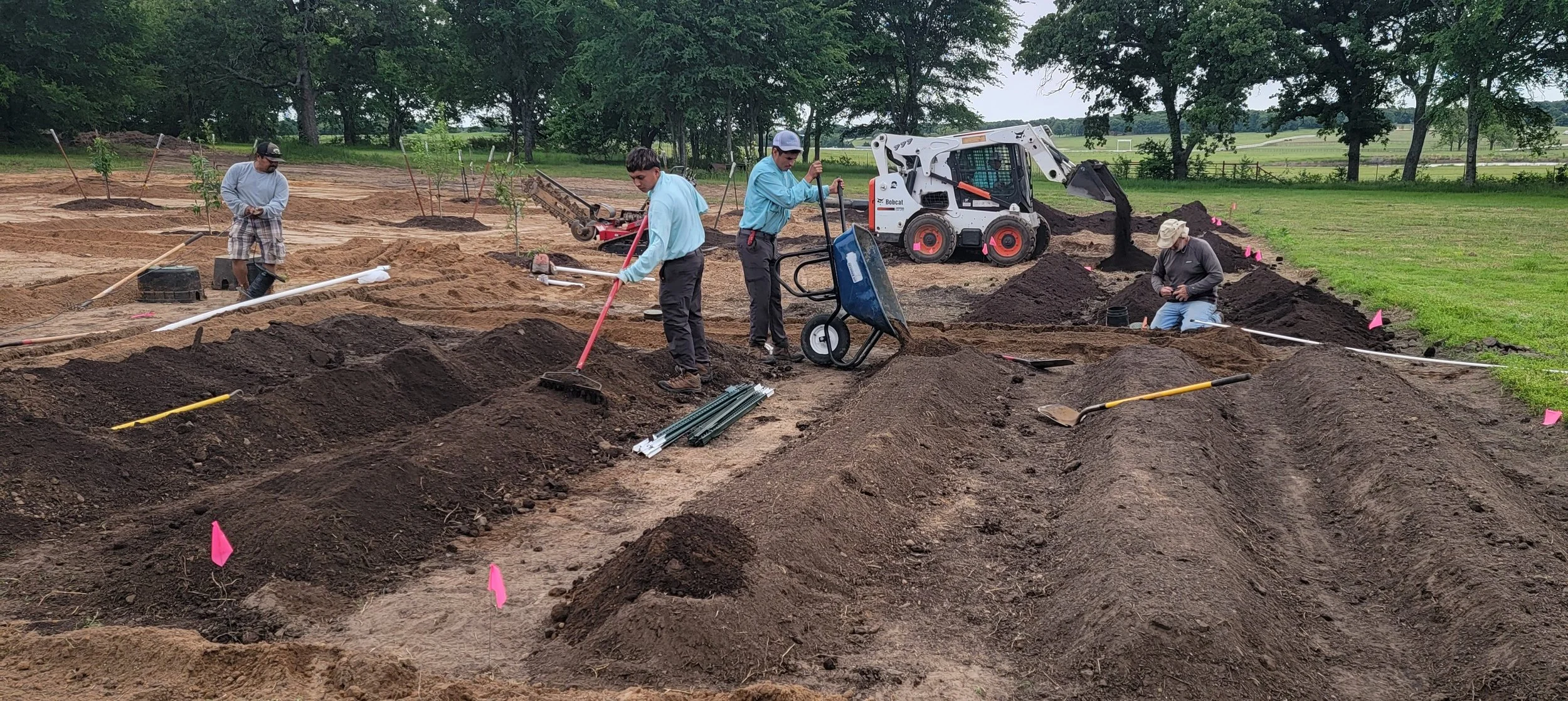
North Texas Blackland Prairies, The “Black Gumbo” Dilema
The Blackland Prairie ecoregion of North Texas derives its name from the deep, fertile black soils that once supported expansive tallgrass prairies across the region. These native prairies were dominated by grasses such as big bluestem, little bluestem, Indiangrass, and switchgrass, which thrived in the nutrient-rich soils and created one of North America’s most biologically productive ecosystems.
Over time, due to the inherent fertility of these soils, much of the original prairie landscape was converted to agricultural production, supporting both food crops and forage for livestock. As development expanded, particularly in highly concentrated areas such as the Dallas–Fort Worth metropolitan region, further degradation of these soils occurred as a result of urban construction, grading, and long-term land disturbance.
These activities often strip away the natural topsoil and disrupt the living soil ecosystem, leaving behind compacted subsoils that are depleted of organic matter, beneficial microbes, and essential mineral nutrients. As a result, many urban landscapes today contain soils that are structurally compromised and biologically depleted, making them poorly suited for sustaining healthy gardens without proper soil restoration.
Rebuilding soil structure and restoring biological activity is therefore a critical first step in creating resilient, sustainable gardens that can thrive in the North Texas climate and soil conditions.
While these soils are naturally rich in nutrients, they are also characterized by very dense, alkaline clay profiles, commonly referred to locally as “Black Gumbo”. These heavy clay soils have a high shrink–swell capacity and tend to become extremely compacted, limiting pore space within the soil structure. As a result, oxygen infiltration, water movement, and root development can be severely restricted, which often leads to poor plant performance in garden environments.
For this reason, when establishing or restoring garden beds in the Blackland Prairie region, soil remediation and structural amendment are essential to ensure long-term plant health and sustainability. Professional soil preparation typically includes incorporating agricultural gypsum, expanded shale, and high-quality organic amendments into the soil profile.
Foundation of Gardening Success: Heavy clay soil amendment strategizes for North Texas
Improving heavy clay soil does not require completely replacing it. Instead, the key is to carefully amend the soil so it drains better, allows oxygen to reach plant roots, and becomes easier to work while still maintaining the natural soil base.
Improving Clay Soil with Organic Matter
One of the most effective ways to improve clay soil is by incorporating organic matter. High-quality compost is particularly beneficial because it helps loosen the dense clay structure and encourages better drainage and aeration.
A practical approach is to spread about 2 to 4 inches of compost over the planting area and gently mix it into the top 6 to 8 inches of soil. This process helps separate tightly packed clay particles, making the soil easier for roots to grow through. Over time, compost also supplies a steady source of nutrients that plants can gradually absorb.
Many gardeners find success using a blend of composted leaves, well-aged manure, and finished organic compost. Together, these materials improve soil structure while also supporting beneficial soil organisms such as microbes and earthworms. These living components play an important role in building healthy, productive soil.
Using Sand Carefully
A common misconception is that adding sand will automatically improve clay soil drainage. In reality, mixing fine sand directly into clay can sometimes create a dense, cement-like texture that is even harder than the original soil.
If sand is used at all, it should be coarse builder’s sand, and it must be incorporated alongside generous amounts of organic matter. Organic materials are far more effective at improving the structure of clay soil and helping it become loose, breathable, and easier for plants to thrive in.
In most cases, consistent additions of organic matter over time are the most reliable way to improve clay soils. As the soil structure gradually improves, gardeners will notice better drainage, healthier plant roots, and more productive garden beds.
Gypsum Gypsum (calcium sulfate) is particularly effective for our North texas heavy clay soils. It helps break up clay particles without changing soil pH, improving drainage and making the soil easier to work. Apply gypsum in fall or early spring for best results.helps flocculate and loosen dense clay particles, improving soil structure and reducing compaction.
Expanded shale increases long-term porosity and drainage by creating permanent air spaces within the soil profile.
Texas Green Sand is an organic conditioner rich in iron and other minerals that break up clay and improve structure.
Lava Sand Adds excellent aeration and provides minerals that are beneficial in heavy clay.
Medina Soil Activator or Molasses These are "foods" for microorganisms. A living soil is more porous; these products increase microbial activity, which helps break down clay particles.
Premium Lawn and Garden Fertilizer Mycorrhizal Fungi These fungi colonize plant roots, helping them break through the clay barrier to absorb water and nutrients.
Cotton Burr Compost and Mushroom Compost greatly aids in amending garden bed tpo be more sustainable and productive
Organic amendments and locally source organic compost Organic matter is your best friend, compost is your best friend in to enrich bedding soils. while introducing beneficial microbial life, improve nutrient cycling, and enhance the soil’s ability to retain moisture while still allowing proper aeration. EKO Clay Buster helps gardeners overcome these challenges.
Together, these amendments significantly improve the soil’s ability to exchange gases, absorb mineral nutrients, and support healthy root development. Proper soil preparation transforms otherwise dense clay soils into a biologically active, well-structured growing medium, allowing North Texas gardens to thrive and remain sustainable over the long term.
TEXAS DROUGHT-TOLERANT PERENNIALS ARE THE POWERHOUSE OF YOUR GARDEN!
Perennials are the powerhouse of your landscape. They’re available in a broad range of colors, shapes and sizes. Perennials are the “come-back” super stars of the garden, waking up after winter making bold statements in spring, blooming thought-out summer and fall. Selecting the right Texas Tough Perennials for your landscape and garden means, you plant them once and enjoy their beauty for years to come. There are many types of perennials that work well in both sun or shade and many perennials are pollinators for bees, butterflies and hummingbirds.

Perfect Plants + Right Solution + Right Location
Best low-maintenance plants that are tired and true for North Texas native landscaping and gardens. Connect with us to discover which climate appropriate plants are right for your USDA Plant Hardiness Zone.
Learn more about your USDA Plant Hardiness Zone
Texas Plant Guides & Resources

Agaves & Succulents
North Texas boasts a diverse range of climates, and as such, there are several hardy agave species that thrive in the area. Agave Salmiana var. Neomexicana and Havardiana are particularly resilient, able to withstand temperatures as low as -20°F. Additionally, there are various cacti and succulent varieties that are well-suited to the region's extreme weather conditions, making them ideal choices for creating a bold and beautiful architectural statement in your outdoor space.

Perennials
Texas is home to a wide variety of perennials that are not only low-maintenance and drought-tolerant, but also easy to care for. One of the main benefits of perennials is their ability to return year after year, making them a wise, sustainable investment. They serve as excellent "anchor plants" that add both color and texture to various garden and landscape settings, making them a smart choice for any gardener.
Trees & Shrubs
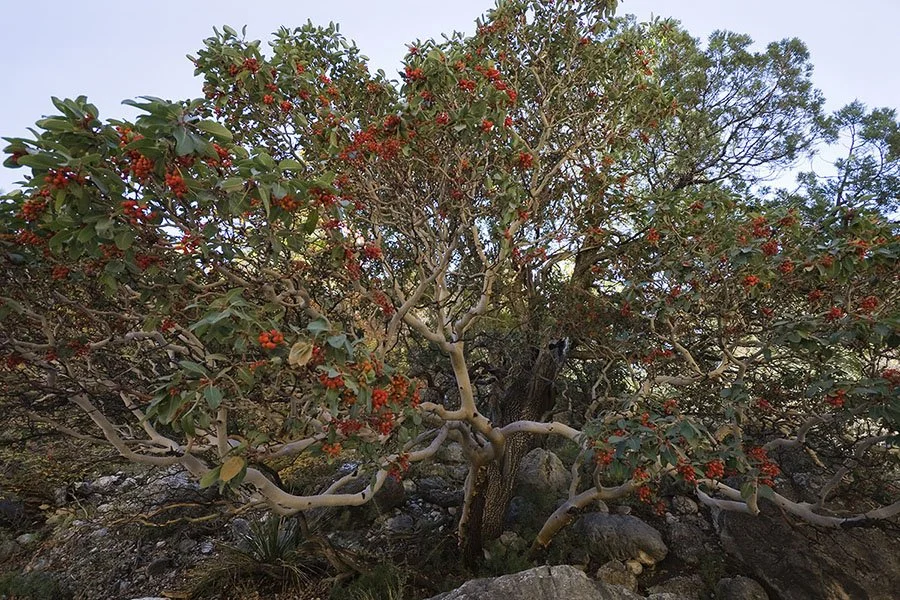
The North Texas Region boasts a diverse and abundant array of shrubs, trees and plants that are known for their exceptional beauty, deep and contrasting colors, lush canopies and ability to enhance gardens and landscapes across the DFW Metroplex. Three of the best native trees for this area are the Bur Oak, Shumard Red Oak, and Chinquapin Oak, which are known for their hardiness and adaptability to the local climate.